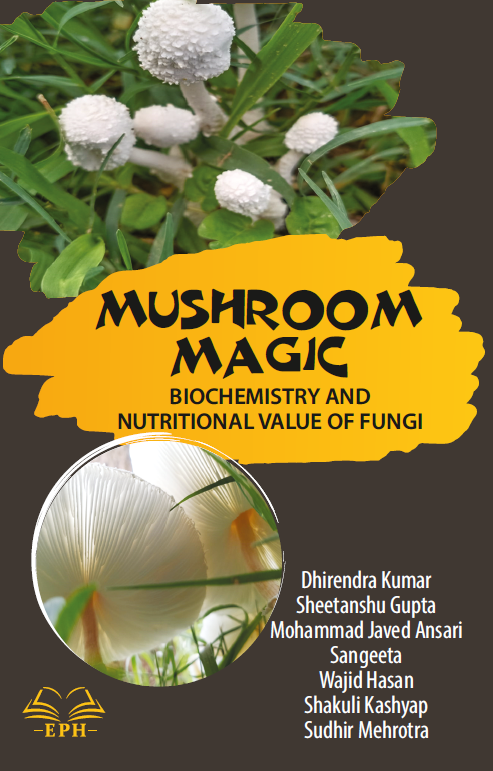
Chapter 1: Mushroom Diversity and Their Biochemical Composition
Chapter 2: Nutritional Significance of Mushrooms in Human Diets
Chapter 3: Phenolic Compounds and Antioxidant Potential in Mushrooms
Chapter 4: Terpenoids and Their Health Benefits in Edible Fungi
Chapter 5: Protein and Amino Acid Profile of Mushrooms
Chapter 6: Vitamins and Minerals in Mushrooms: A Nutritional Treasure
Chapter 7: β-Glucans in Mushrooms: Immunomodulatory and Anticancer Effects
Chapter 8: Chitin and Chitosan in Mushrooms: Bioactivity and Applications
Chapter 9: Medicinal Properties of Edible Mushrooms: A Biochemical Perspective
Chapter 10: Mushrooms as Sources of Natural Bioactive Compounds
Chapter 11: Impact of Cooking and Processing on Mushroom Nutrient Retention
Chapter 12: Culinary Techniques for Maximizing Nutritional Value of Mushrooms
Chapter 13: Mushrooms and Gut Health: Interactions with the Microbiome
Chapter 14: Prebiotic Potential of Mushroom-Derived Compounds
Chapter 15: Biochemical Variability in Wild vs. Cultivated Mushrooms
Chapter 16: Edible and Wild Medicinal Mushrooms: Comparative Biochemical Profiles
Chapter 17: Allergenic and Toxic Compounds in Mushrooms: Biochemical Identification and
Implications
Chapter 18: Mushrooms as Bioindicators of Environmental Toxins
Chapter 19: Mushrooms as Functional Foods: Trends and Innovations
Chapter 20: Integrating Mushroom Nutritional Biochemistry into Human Health Strategies
1. Dr. Dhirendra Kumar
2. Dr. Sheetanshu Gupta
3. Dr. Mohammad Javed Ansari
4. Dr. Sangeeta
5. Dr. Wajid Hasan
6. Dr. Shakuli Kashyap
7. Dr. Sudhir Mehrotra